
How to Choose a Log-Periodic Antenna for Long-Range Communication?
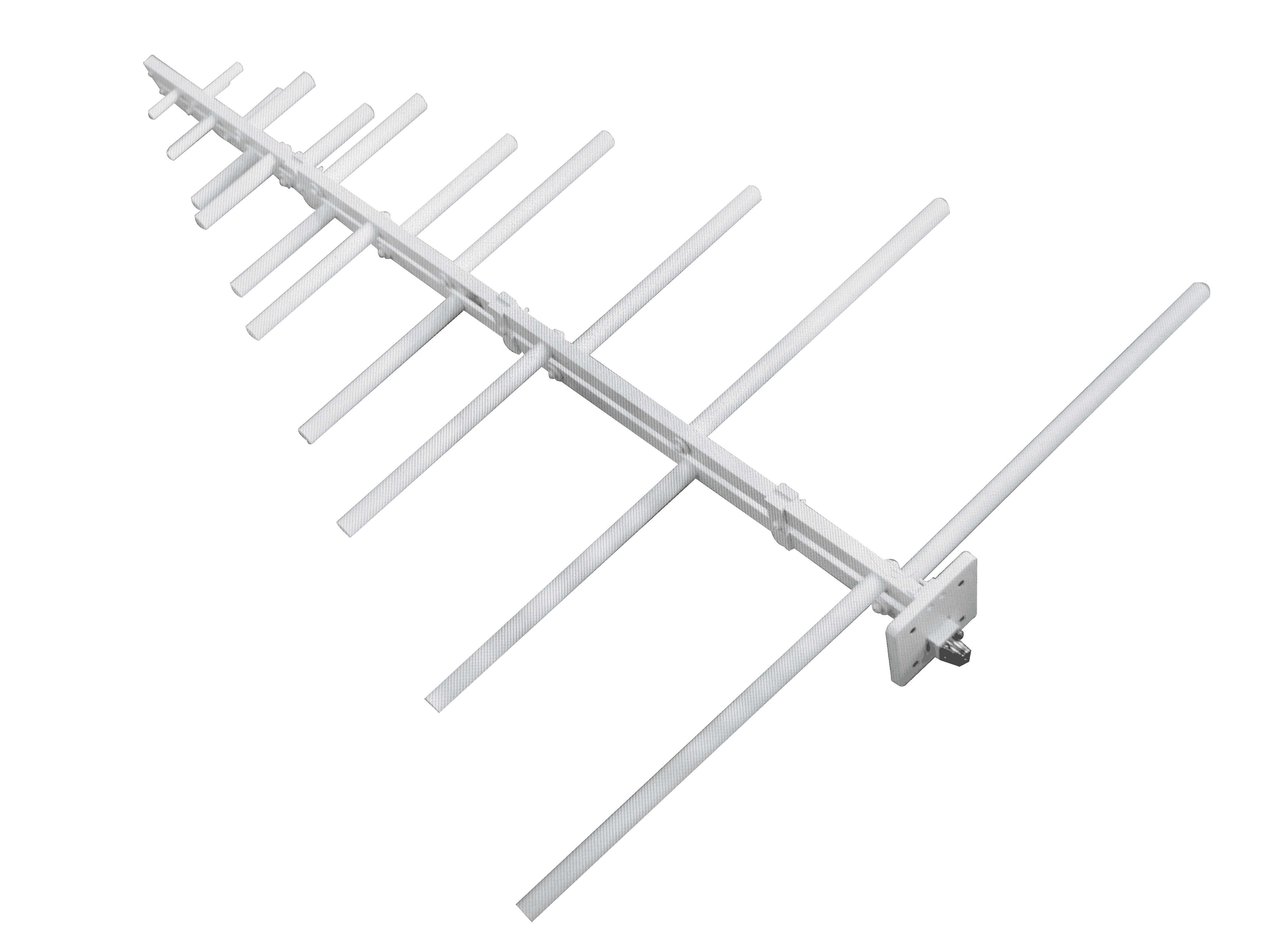
Log-periodic antennas are widely used in long-range communication systems due to their wide bandwidth, stable gain, and directional radiation patterns. They are commonly applied in wireless monitoring, spectrum surveillance, military communications, and broadband RF systems. Selecting the right log-periodic antenna is essential to ensure reliable signal coverage and consistent performance over long distances.
1. Define the Required Frequency Range
The primary advantage of a log-periodic antenna is its broadband capability. Begin by clearly identifying the operating frequency range of your system. The antenna should fully cover the lowest and highest frequencies with stable gain and impedance performance.
For long-range communication, maintaining consistent gain across the entire band is critical to avoid signal dropouts.
2. Consider Antenna Gain and Directivity
Higher antenna gain translates into longer communication distances. Log-periodic antennas typically offer moderate, frequency-stable gain, making them ideal for long-range links that require wideband coverage rather than narrowband optimization.
Also evaluate the beamwidth. A narrower beam provides longer range and better interference rejection but requires more precise alignment.
3. Evaluate Polarization Requirements
Ensure the antenna polarization (vertical, horizontal, or dual-polarized) matches the transmitting or receiving system. Mismatched polarization can result in significant signal loss, especially in long-distance communication scenarios.
4. Mechanical Design and Size
Log-periodic antennas vary in length and element count depending on frequency range and gain. For outdoor or long-term installations, pay attention to:
-
Mechanical strength
-
Wind resistance
-
Mounting flexibility
A rigid and well-balanced structure ensures stable performance over time.
5. Environment and Installation Conditions
For long-range communication, antennas are often installed outdoors. Consider:
-
Weather resistance
-
Corrosion protection
-
Temperature stability
A well-protected antenna will maintain electrical performance under harsh environmental conditions.
6. VSWR and Impedance Matching
Low VSWR ensures efficient power transmission and reduces signal reflections. For long-distance links, good impedance matching is essential to maximize effective radiated power and receiver sensitivity.
7. Application-Specific Requirements
Log-periodic antennas are commonly used in:
-
Long-range wireless communication
-
Signal monitoring and interception
-
Broadband transmission systems
-
Field testing and measurement
Understanding your specific application helps determine the optimal balance between bandwidth, gain, and physical size.
Conclusion
Choosing the right log-periodic antenna for long-range communication requires careful evaluation of frequency range, gain, beamwidth, polarization, mechanical design, and environmental conditions. When properly selected and installed, a log-periodic antenna provides reliable, broadband performance and stable long-distance coverage across a wide range of frequencies.
 Why Are Coaxial Suspension Line Filters the Right Choice for High-Performance RF Systems?
 What's the Coaxial Suspension Line Filter?
 How to Choose a Log-Periodic Antenna for Long-Range Communication?
 Compact Coaxial Loads: Why Short-Length Design Matters More Than You Think